 Audio
Audio
Mix-minus explained for live production
What mix-minus is, why you need it the moment you have a two-way link, and how to set it up in the field.
What mix-minus is, why you need it the moment you have a two-way link, and how to set it up in the field.
Audio
What mix-minus is, why you need it the moment you have a two-way link, and how to set it up in the field.
 Audio
Audio
Three ways to distribute audio in production and when each one makes sense.
 Audio
Audio
What -23 LUFS actually means and how to hit it without pumping.
 Broadcast Graphics
The practical path from scoreboard data to graphics that fill themselves, no manual typing of scores.
 Broadcast Graphics
How to keep lower thirds clean and fast during a live broadcast.
 Video / Broadcast
When vMix is worth the license and when OBS does the job for free.
 Video / Broadcast
The SRT buffer is a trade-off: more buffer survives more loss but adds latency. How to tune it right.
 Electronics / Signals
What genlock is, why you need it, and how to sync every source so cuts are clean.
 Electronics / Signals
LTC, syncing devices and why timecode makes your edit easier.
 Programming / Automation
How to reliably pull live scores from a web source and turn them into state for graphics, without crashing in the field.
 Programming / Automation
How to turn a physical MIDI controller into tally and switch control for an ATEM.
 IT (hardware / software / networks)
A short, practical guide on when to use SDI, when NDI, and when SRT - and where not to mix them.
 IT (hardware / software / networks)
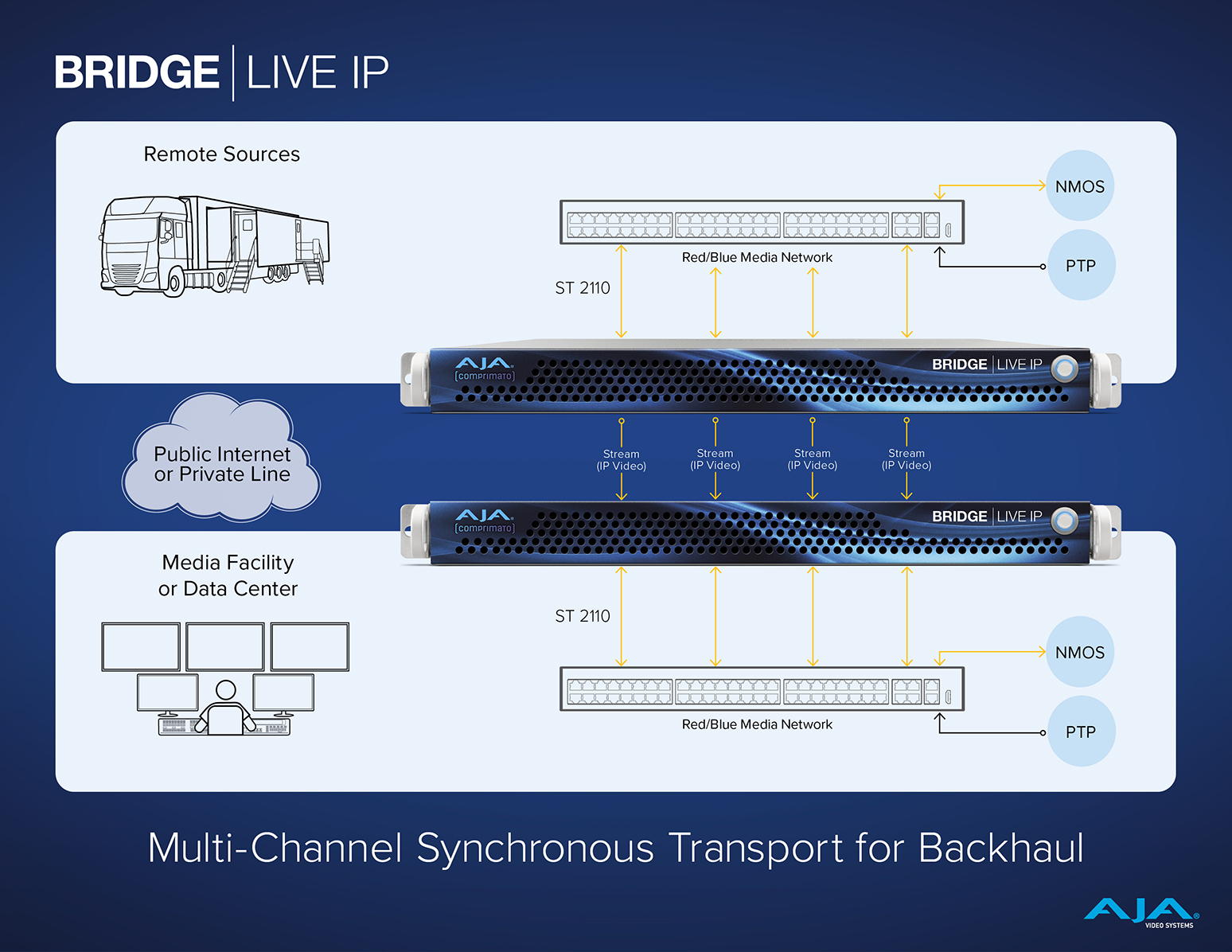
What you actually need to know about 2110 before moving from SDI to IP.